
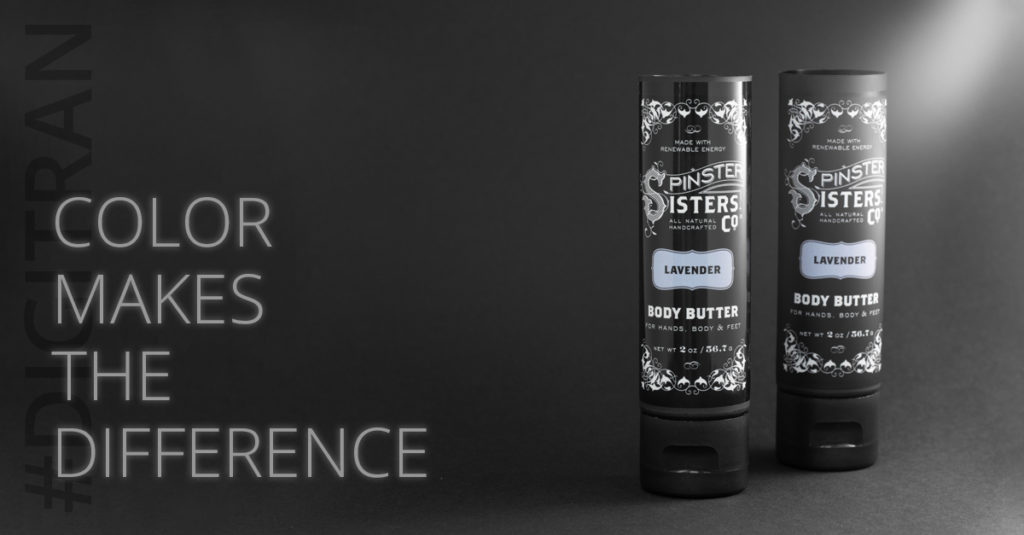
Matt or glossy? With #DIGITRAN digital heat transfer technology you can have both!
For this project, the client was not sure which look would match the band and packaging best, so we did both versions. While the tube on the left has a very shiny and glossy finish, we also did a very matt version, so that the client could compare them side by side.
With the correct digital heat transfer decals and heat transfer equipment, you can make this decision even after the transfers have been printed. And that without the use of any varnishes!
Which look do you prefer for this design? Matt or glossy?
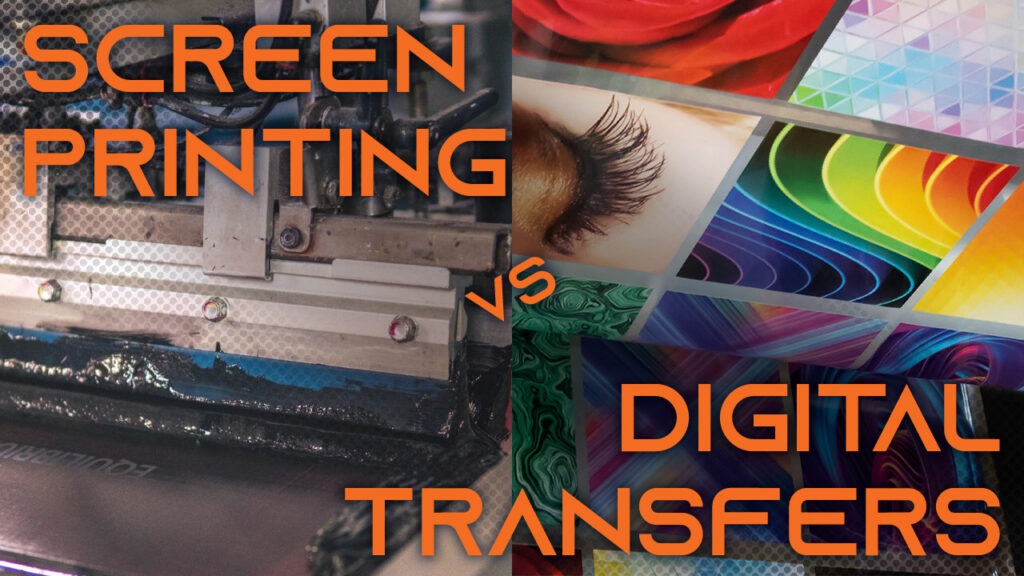
Revolutionizing product decoration: digital transfer printing versus screen printing.When it comes to printing on products, choosing the right printing technology is crucial to achieving an impressive and vibrant result. While screen printing has long been a conventional choice, digital transfer printing stands out as a revolutionary alternative, offering unrivaled quality and versatility.
Thinking about buying a DTF printer? The world of Direct to Film (DTF) printing offers a versatile and profitable method for transferring high-quality, full-color designs onto various textiles such as apparel, bags and more. In this comprehensive guide, we will ask important questions and provide valuable insights to help you make an informed decision about purchasing a DTF printer.
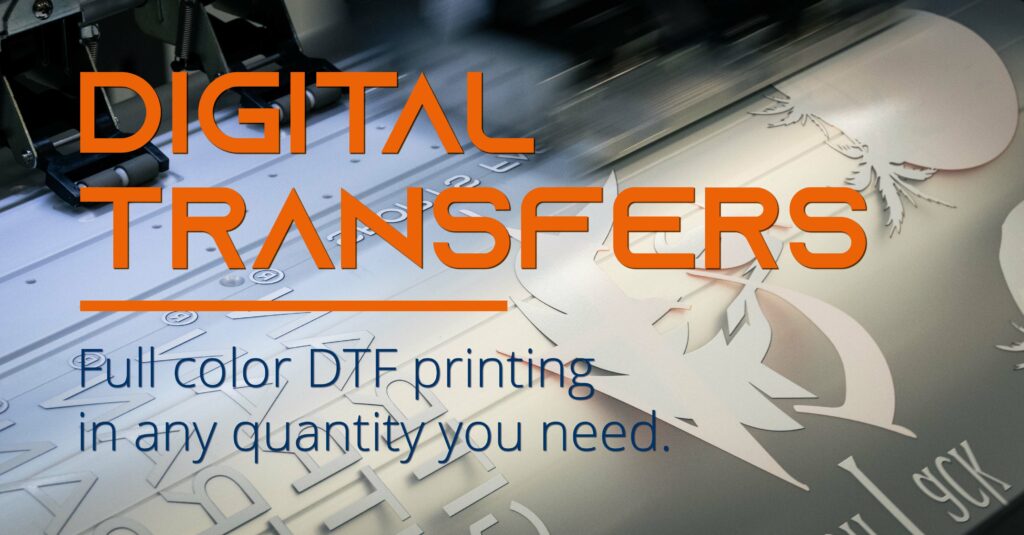
The solution for custom designs on t-shirts, hoodies, bags, sportswear and workwear: DTF Digital Transfers.
Thanks to the combination of digital printing and heat transfer technology, textile transfers can be printed in small quantities, full-color and in the shortest possible time. Thus, the outstanding opacity and feel known from plastisol and screen printed transfers is now also available in small quantities.
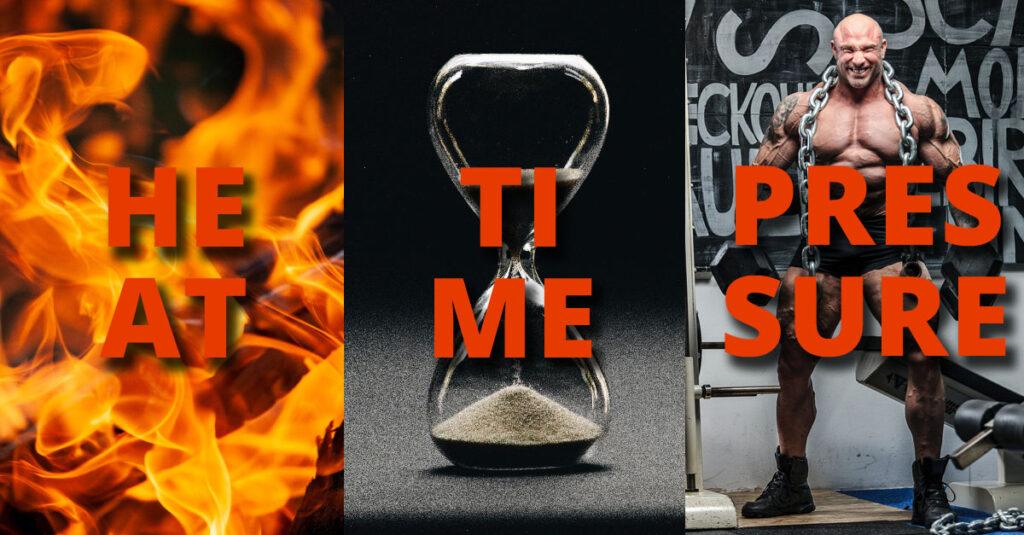
Besides many other factors that can influence the heat transfer process, the three most important ones are heat, time, and pressure. No matter if it is a textile transfer or a transfer for packaging applications, you should know about the effect of these parameters and how a transfer is affected by them.
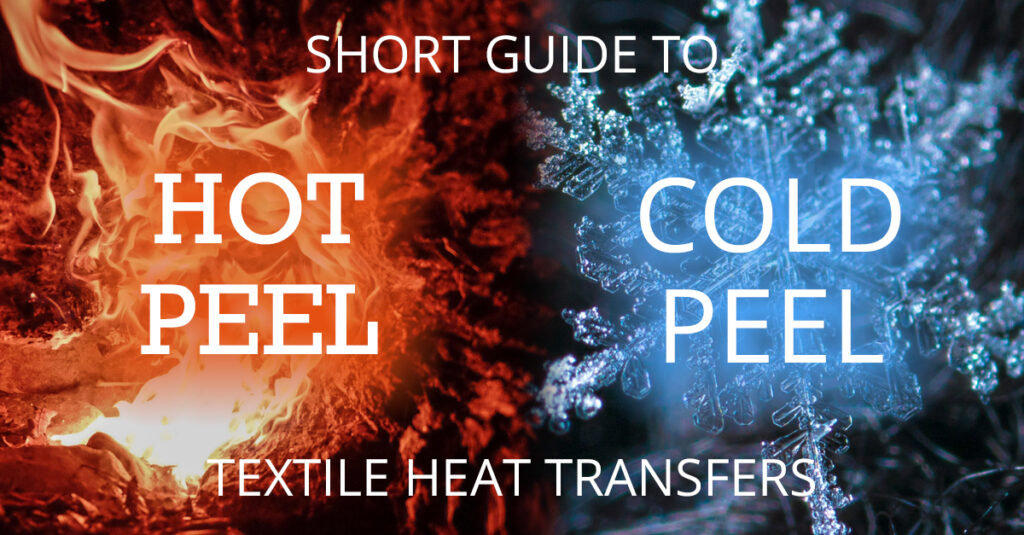
Textile heat transfers come in three technologies when it comes to peeling. This can be “hot peel”, “cold peel” or “hot split”. But what is the difference between them?